

Ultrasonic Jewelry Cleaners: When They’re Helpful — and When They’re Not
Ultrasonic cleaners are often marketed as an easy, at-home way to keep jewelry looking its best. While they can be useful in certain situations, they are not appropriate for all types of jewelry—and using one incorrectly can cause real damage.
Understanding what ultrasonic cleaners do, and when they should (or shouldn’t) be used, is key to caring for your jewelry responsibly.
How Ultrasonic Cleaners Work
Ultrasonic cleaners use high-frequency sound waves to create microscopic vibrations in liquid. These vibrations loosen dirt, oils, and debris from hard-to-reach areas of jewelry, such as underneath stones and inside settings.
While this process can be effective, it can also be aggressive. The same vibrations that remove dirt can:
Loosen stones
Exacerbate existing fractures
Damage softer or treated gemstones
Stress delicate or older settings
Because of this, ultrasonic cleaners should be used selectively, not universally.
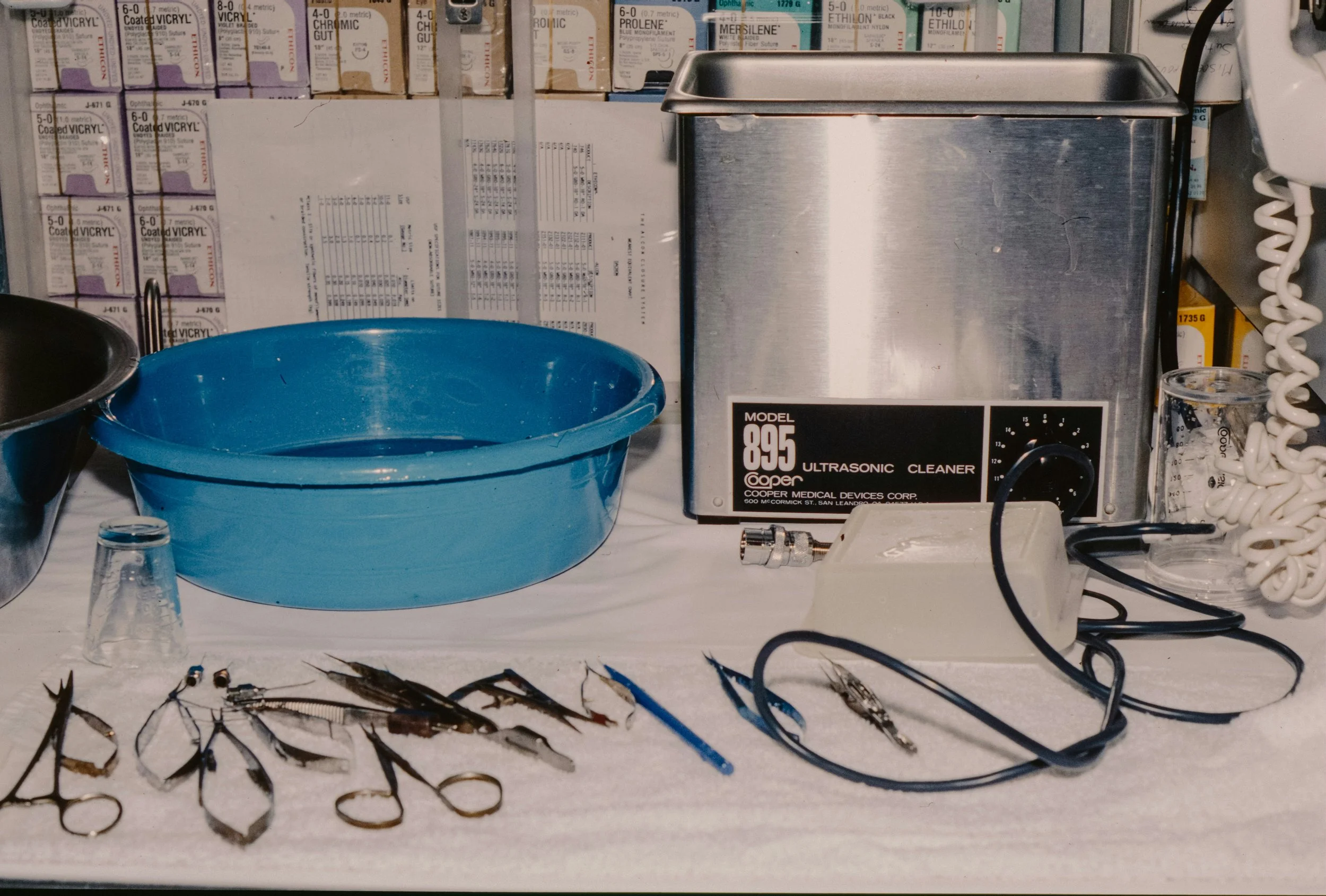
Photo Credit: Annie Spratt
What to Put in an Ultrasonic Cleaner at Home
At-home ultrasonic cleaning should prioritize safety over strength. While professional jewelers often use stronger solutions to remove polishing compounds and heavy residue, those solutions are not appropriate for regular home use.
For most people, warm water with a small amount of mild dish soap is sufficient. This gently loosens oils and everyday buildup without introducing unnecessary risk to stones, settings, or surface finishes.
Ammonia-based cleaners, commercial jewelry dips, and household cleaning products are often too aggressive and can damage gemstones, weaken settings, or strip treatments. These should be avoided for at-home ultrasonic use.
If you prefer a ready-made solution, choose a jewelry cleaner specifically labeled as safe for ultrasonic cleaning, and follow dilution instructions carefully. Stronger solutions are not needed for routine care.
When in doubt, gentler cleaning methods are always the safer choice.
Jewelry That Is Generally Safe for Ultrasonic Cleaning
In the right circumstances, ultrasonic cleaners can be appropriate for certain types of jewelry—particularly when materials and settings are in good condition.
This may include:
Solid gold, platinum, or sterling silver jewelry
Hard, untreated stones such as diamonds
Some sapphires, depending on quality, treatment, and setting
Most high-quality, transparent sapphires are typically safe for ultrasonic cleaning. However, some sapphires—especially more opaque or included stones—may be oiled or treated to minimize the appearance of fractures. In those cases, ultrasonic vibration can aggravate existing weaknesses or remove treatments.
Because sapphire treatments are not always visible, it’s best to check with a jeweler if you’re unsure whether a sapphire is safe to clean ultrasonically. Opaque and included stones can be absolutely beautiful, but they often benefit from gentler care.
Even when materials are appropriate, ultrasonic cleaning should be reserved for occasional use, not routine cleaning.
Before using an ultrasonic cleaner, always check that:
Stones are firmly set
Prongs and settings are in good condition
The piece has no visible cracks or structural issues
Jewelry That Should Never Go in an Ultrasonic Cleaner
Some types of jewelry are especially vulnerable to ultrasonic vibration and should always be cleaned by gentler methods.
These include:
Pearls
Opals
Emeralds
Turquoise
Amber
Coral
Fracture-filled, coated, or treated stones
Antique or heirloom jewelry
Natural Rubies
These materials can crack, discolor, or suffer irreversible damage when exposed to ultrasonic cleaning.
While ruby is a hard gemstone, most natural rubies contain inclusions and are routinely treated to improve appearance. Ultrasonic vibration can aggravate existing fractures or remove treatments, potentially causing damage that isn’t immediately visible.
Because fine natural rubies are both rare and valuable, owners of these stones are generally better served by professional cleaning and inspection, rather than at-home ultrasonic use.
Jewelry That Falls Into the “Proceed With Caution” Category
Some jewelry doesn’t fall neatly into a simple yes-or-no category when it comes to ultrasonic cleaning. In these cases, the condition of the stone and setting matters more than the material alone.
This category can include:
Quartz-based stones
Some sapphires, depending on treatment and structure
Vintage or older jewelry
Pieces with thin prongs or intricate construction
Quartz ranks relatively high on the Mohs scale and is generally stable in ultrasonic cleaning. In most cases, quartz can be cleaned safely unless the stone has known inclusions, fractures, or structural weaknesses. Issues are more likely to arise from existing flaws or compromised settings than from the quartz itself.
Sapphires also require a nuanced approach. While many high-quality, untreated sapphires are ultrasonic-safe, stones that are heavily included or treated may benefit from gentler care. When treatment history is uncertain, checking with a jeweler is the safest option.
Opaque and included stones can be just as beautiful as highly transparent ones, but they often benefit from gentler, more intentional care.
When there’s uncertainty about a stone’s condition, treatment history, or setting integrity, gentle hand-cleaning is the safer option.
When You Should Avoid Ultrasonic Cleaners Entirely
An ultrasonic cleaner is not the right choice if:
A stone feels loose
You’re unsure what type of stone you have
The piece has sentimental or irreplaceable value
The jewelry is old, delicate, or structurally complex
In these situations, cleaning by hand or consulting a professional jeweler is a better option.
A Thoughtful Approach to Jewelry Care
Ultrasonic cleaners are tools—not solutions. They can be helpful for certain types of jewelry when used correctly, but they are not a substitute for understanding your materials or practicing mindful care.
If you choose to use an ultrasonic cleaner, it’s best to do so selectively and conservatively, with a clear understanding of the risks involved.
For jewelry that falls outside those parameters, simple hand-cleaning and regular professional maintenance remain the safest and most reliable methods. Many jewelry stores offer routine cleanings and inspections at no cost, making professional care an accessible option when you’re unsure how a piece should be handled.
Additional Resources
For those who have jewelry that is appropriate for ultrasonic cleaning, I’ve shared a small, carefully curated list of home ultrasonic cleaners and educational resources here.
(Ultrasonic cleaners are not suitable for all jewelry. When in doubt, gentle hand-cleaning is always the safer option.)